Sewing Line Embroidery Review for Boutique Apparel
As an embroidery designer who spends countless hours digitizing and testing designs, I am always on the lookout for pieces that offer versatility without sacrificing aesthetic appeal. When browsing Creative Fabrica, I recently came across a product titled Sewing Line. At first glance, it is categorized under Freebies and Embroidery, which immediately raises the question: does this design hold up in a professional commercial context?
I decided to put Sewing Line through its paces by imagining it within a small sweatshirt and hoodie collection for my own online shop. Below is my honest review from the perspective of someone planning actual boutique apparel, focusing on how this machine embroidery design fits into modern handmade product lines.
First Impressions and Visual Personality
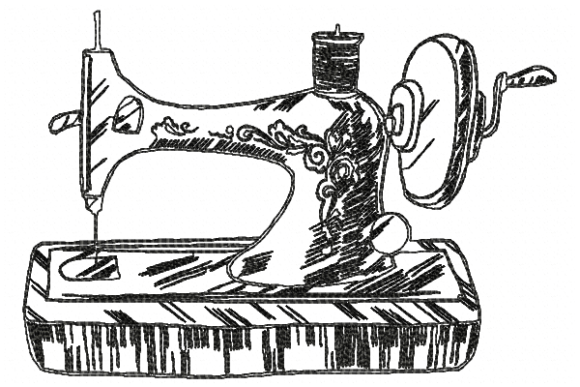
The name Sewing Line suggests structure, precision, and perhaps a nod to the craft itself. Visually, the design carries a mood that feels both classic and slightly playful. It strikes a balance between being bold enough to stand out on a garment and minimal enough to remain wearable for everyday customers. For a boutique brand, this is crucial; you want your custom apparel to look intentional, not cluttered.
In terms of decorative strength, Sewing Line offers a clean visual personality. It does not rely on excessive filler stitches or overly complex textures, which often date a design quickly. Instead, it leans into a trendy yet timeless aesthetic. Whether you are aiming for a feminine touch, a rustic vibe, or a sleek modern look, this embroidery file provides a solid foundation. The detail level is sufficient to catch the eye in social media graphics but remains subtle enough for daily wear. This makes it an excellent candidate for lifestyle product photos where the garment’s texture and fit are also highlighted.
Application on Sweatshirts and Hoodies
My primary test scenario involved preparing a small collection of neutral sweatshirts and pastel hoodies. Here is how Sewing Line performs across different placements:
- Chest Placement: On a standard crewneck sweatshirt, the design sits comfortably on the left chest. It reads as a subtle brand mark rather than a loud statement. This works exceptionally well for building brand identity and product recognition.
- Sleeve Accents: Because of its linear nature, Sewing Line can be scaled down effectively for sleeve cuffs or upper arm accents. This adds a premium feel to hoodie design projects without overwhelming the silhouette.
- Back Designs: If placed centrally on the back, the design gains prominence. On oversized garments, a larger placement allows the stitching to breathe, emphasizing the quality of the stitch density.
- Color Contrast: I tested this mentally against dark apparel, such as charcoal or black hoodies, using light metallic threads. The contrast was striking. Conversely, on pastel hoodies like sage green or blush pink, the design took on a softer, more delicate character.
This versatility is key for an Etsy seller or small business owner looking to create a cohesive line. A single design can anchor multiple SKUs, from t-shirt embroidery to heavier outerwear, ensuring visual consistency across your shop.
Expanding Beyond Apparel
While my focus is apparel, Sewing Line has merit in other areas. For tote bag design, the linear elements translate well onto canvas fabrics, offering a chic accessory option. It also serves as a strong base for printable mockups and digital marketing materials. As a digital embroidery file, it allows for easy integration into various creative workflows, whether you are producing physical goods or selling digital assets to other crafters.
Practical Considerations for Production
Even with a promising design, production challenges can arise. Here are critical factors to consider when incorporating Sewing Line into your commercial embroidery workflow.
Fabric and Surface Challenges
Embroidery on stretchy fabrics requires caution. Fleece and ribbed fabric, common in cozy seasonal outfits, can distort if the hoop tension is too tight or if the stabilizer is insufficient. Sewing Line appears to have moderate stitch density, which is generally forgiving, but you must still account for fabric behavior.
When placing this design on curved surfaces, such as the shoulders of a t-shirt or the body of a tote bag, previewing the distortion is essential. Small chest placement on thick fleece might cause the thread to sink slightly, altering the visual impact. Therefore, inspecting the final result on the actual garment fabric before mass production is non-negotiable.
Stabilizer and Hoop Size
Choosing the right stabilizer is vital for maintaining the integrity of the Sewing Line pattern. A cut-away stabilizer is recommended for knit garments like sweatshirts to prevent puckering over time. Additionally, confirm the hoop size required by the design. While the product description mentions multiple formats, it does not specify exact dimensions. You should verify that your machine’s hooping area accommodates the design’s width and height without unnecessary trimming.
Thread Color and Texture
The effectiveness of this design relies heavily on thread colors. High-contrast combinations will make the lines pop, while tonal threads may blend too softly into certain fabrics. Test your thread choices on scrap fabric that matches the texture of your final product. This step ensures that the fabric texture complements the embroidery rather than competing with it.
Impact on Brand Value and Customer Trust
Using a well-executed design like Sewing Line directly influences buyer trust and professional presentation. Customers associate neat, precise stitching with quality craftsmanship. When a handmade product features clean lines and proper stitch density, it signals attention to detail. This enhances the perceived value of your small shop product, allowing you to command fair prices and foster customer loyalty.
Furthermore, consistent use of high-quality designs across your listings helps establish a recognizable aesthetic. In a crowded marketplace, this visual consistency is a powerful tool for differentiation. It tells your audience that your brand is curated and thoughtful, which drives engagement and repeat purchases.
Final Recommendations for Designers
Before adding Sewing Line to your production queue, keep these practical notes in mind:
- Test on Scrap Fabric: Always run a test stitch-out on the same material you plan to sell.
- Check Licensing: Although listed as a Freebie, review the specific license terms on Creative Fabrica to ensure you are permitted to sell finished apparel products.
- Review Product Details: Confirm the available file formats and any specific instructions provided by the designer.
- Inspect Stitch Density: Ensure the density is appropriate for your chosen fabric to avoid stiffness or puckering.
- Compare Placements: Experiment with different positions to find what best suits your garment’s silhouette.
In conclusion, Sewing Line is a versatile addition to any embroiderer’s library. Its clean aesthetic and adaptability make it suitable for a wide range of boutique brand projects. By paying close attention to technical details like stabilizers and thread contrast, you can leverage this design to create beautiful, marketable finished products that resonate with your target audience.