Monogram J Embroidery Review
As an embroidery designer who has spent years turning digital files into tangible, sellable goods, I know that the difference between a "nice" design and a "bestseller" often comes down to execution and context. When I first pulled up Monogram J, my immediate reaction was one of cautious optimism. The description promises a unique way to add a personal note while keeping fabrics looking gorgeous, which is exactly the sweet spot for today’s handmade market. But does it hold up under the harsh light of a craft fair booth? Let’s dive into the practical realities of using this machine embroidery design for your next batch of products.
First Impressions: Visual Appeal and Brand Fit
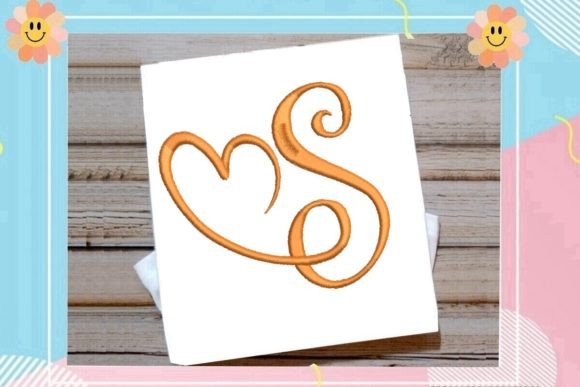
The title "Monogram J" suggests a classic, personalized touch. In the world of handmade product sales, monograms are evergreen. They appeal to brides, new homeowners, gift-givers, and anyone looking for a bespoke feel without the bespoke price tag. Based on the description, Monogram J aims for elegance and versatility. It doesn’t scream for attention with loud graphics; instead, it whispers sophistication. This makes it ideal for brands that focus on minimalism, farmhouse chic, or modern rustic aesthetics.
For an Etsy seller or boutique maker, this design offers a high perceived value. A simple letter can transform a plain item into a luxury good if executed correctly. However, the key word here is "unique." We need to ensure the stitching style isn’t generic. If the file contains intricate fill stitches or a distinctive script font, it will stand out against the sea of basic block letters flooding the market. If it’s too simple, it might get lost in the noise. My advice? Look closely at the preview images. Does the letter J have character? Does it look premium?
Product Application: Where Monogram J Shines
Let’s talk about where this embroidery file will actually move units. I’ve prepared a mental mockup of my craft fair table, and here is how Monogram J fits into specific categories:
- Tote Bags: This is the bread and butter of craft fairs. A well-placed monogram on a canvas tote bag is a tote bag design winner. It adds a personal signature to a utilitarian item. Customers love seeing their initial or their child’s initial stitched onto everyday carry items.
- Aprons and Tea Towels: For the kitchen-focused demographic, apron embroidery and tea towel embroidery are top sellers. A monogram placed near the pocket or hemline elevates these items from kitchenware to decor. It photographs beautifully for online listings and looks substantial in person.
- Caps and Headwear: Curved surfaces can be tricky, but a single letter like "J" is forgiving. It works exceptionally well as a commercial embroidery piece for baseball caps or beanies. Just ensure the curve of the letter matches the contour of the hat.
- Patches and Pouches: If you make embroidered patch accessories or small fabric pouches, a monogram serves as a perfect focal point. It allows you to use smaller hoops, reducing production time per unit while maintaining a high-end look.
Production Practicality and Batch Efficiency
Time is money in the handmade business. One of the biggest advantages of a monogram design is its repeatability. Unlike complex scenes that require constant repositioning and hooping adjustments, a centered or cornered monogram is efficient. You can set up your machine, hoop ten shirts, and run them back-to-back with minimal interruption.
This efficiency is crucial for small shop product owners who need to scale production for holiday markets or wedding seasons. If Monogram J has a moderate stitch count, it will fly off the shelf because you can produce more units in less time. However, always check the stitch density. If the design is overly dense, it may take too long to embroider, eating into your profit margins. Aim for a balance where the design looks full but not heavy.
Photography and Online Presentation
In the digital age, your product photo is your salesperson. A monogram is highly photogenic because it provides a clear focal point. When creating a printable mockup or shooting real samples, ensure the thread color contrasts sharply with the fabric. A gold thread on navy blue, or white on beige, will catch the eye in a crowded Instagram feed or Etsy search results. The simplicity of Monogram J allows customers to easily visualize their own customization options, which increases conversion rates.
Critical Considerations for Quality Control
Before you commit to mass production, there are several technical aspects you must evaluate. As a professional, I never skip these steps:
- Stitch Density and Fabric Texture: Test the design on the actual fabric you plan to sell. Thick towels or textured linens can hide fine details. If the letter J has tiny serifs or thin lines, they may disappear into the weave of the fabric. Use a stabilizer appropriate for the weight of your material to prevent puckering.
- Hoop Size and Placement: Confirm the recommended hoop size for the design. Ensure it fits comfortably within the usable area of your final product. A monogram that is too large for a standard cap front or too small for a tea towel can look unbalanced.
- Thread Contrast: Always review thread colors against your fabric swatches. Dark fabrics require bright or metallic threads to pop, while light fabrics benefit from darker, richer tones. Poor contrast is the number one reason customers return handmade gifts.
- Commercial Licensing: This is non-negotiable. Before selling any finished items, verify that you have the correct commercial license for Monogram J. Many freebies allow personal use only, so double-check the terms to avoid legal issues.
Final Verdict: Is It Worth Adding to Your Collection?
Monogram J appears to be a solid addition to any digital embroidery file library, particularly for those targeting the gift and personalization market. Its strength lies in its versatility and emotional connection—people buy monograms because they want something made just for them.
To maximize its potential, focus on quality materials and precise execution. Use a high-quality cotton or linen base, select durable polyester threads, and ensure every stitch is clean. When displayed on a craft fair booth alongside other curated items, a well-executed monogram stands as a testament to craftsmanship. It signals to the buyer that you care about the details, which justifies a higher price point.
Remember, the best craft fair product is one that solves a problem or fulfills a desire for personalization. Monogram J taps directly into that desire. By testing thoroughly, optimizing your workflow, and presenting it beautifully, you can turn this simple letter into a profitable staple for your handmade business. Start with a few sample pieces, gather feedback, and watch how quickly customers respond to the charm of personalized embroidery.