Royal Embroidery Sequin Fabric Paper Review
As an embroidery designer who spends countless hours digitizing patterns and testing stitches on everything from heavy fleece to delicate silk, I am always on the lookout for resources that elevate a simple garment into a statement piece. Recently, I came across Royal Embroidery Sequin Fabric Paper on Creative Fabrica. While it is categorized under Freebies and Graphics rather than traditional .dst or .pes machine files, its utility for the modern boutique apparel owner is undeniable. This review explores how this digital asset can transform your workflow, particularly when planning collections for sweatshirts, hoodies, and custom accessories.
First Impressions: Visual Personality and Mood
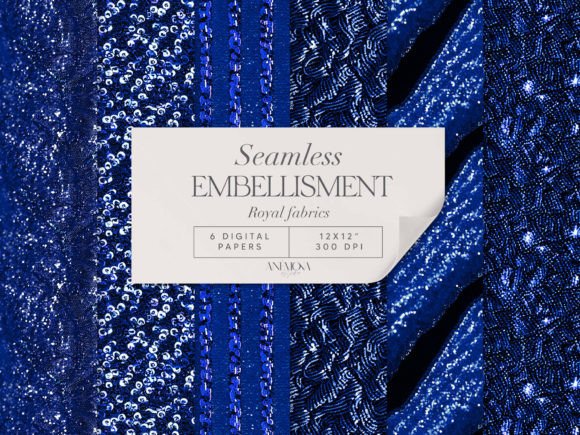
When you first download Royal Embroidery Sequin Fabric Paper, the immediate takeaway is its premium visual quality. The product description notes that you receive six luxury digital papers in JPG format at 300 dpi with a width of 3600px. For an embroidery designer, this resolution is critical. It means the textures are crisp enough to use in high-end printable mockups without pixelation, ensuring your Etsy listings and social media graphics look professional from the very first click.
The aesthetic of this fabric paper leans towards a bold, feminine, and slightly rustic charm. It captures the sparkle and depth of sequins without the physical weight or fragility of actual beading. In terms of mood, it feels trendy yet classic—perfect for brands that want to offer something special but not overly costumey. Whether you are designing for a cozy winter collection or a spring festival line, the decorative strength of this pattern adds a layer of sophistication that plain cotton or polyester often lacks.
Application in Boutique Apparel Projects
The true value of Royal Embroidery Sequin Fabric Paper lies in its versatility across various garment types. Here is how I envision using these designs in a real-world production scenario:
- Sweatshirt Embroidery and Hoodie Design: Imagine placing a central chest design on a neutral heather grey hoodie. By overlaying the sequin texture digitally, you can preview how the light would catch the threads. This is invaluable for deciding between gold, silver, or multi-color thread options before you even cut the fabric.
- Oversized Garments and T-Shirts: For oversized tees, the trend is often toward large, back-focused graphics. This fabric paper allows you to test full-back placements to ensure the scale feels balanced against the relaxed fit of the garment.
- Denim Jackets and Tote Bags: These items are staples for handmade products and small shop inventory. The contrast of a shiny, sequin-like texture against rugged denim creates a striking visual hook. Similarly, for tote bags, this design adds a touch of luxury that justifies a higher price point.
- Cozy Seasonal Outfits: During fall and winter, customers crave warmth and comfort. Using this graphic to simulate embroidered patches on beanies, scarves, or thick knitwear helps visualize how the "sparkle" complements soft, matte fabrics.
Strategic Use in Digital Marketing and Brand Identity
In the world of online selling, especially as an Etsy seller or creative entrepreneur, your images are your salespeople. Royal Embroidery Sequin Fabric Paper serves as an excellent tool for creating realistic mockups. Instead of sending photos of flat, unadorned garments, you can present finished products that look ready-to-wear.
This affects brand identity significantly. When buyers see a consistent, high-quality visual presentation, trust increases. It signals that you pay attention to detail—a trait they will assume carries over to your stitching quality, packaging, and customer service. Furthermore, using these graphics for lifestyle product photos allows you to showcase your custom apparel in context, helping potential customers imagine themselves wearing the item. This visual consistency builds recognition, making your boutique brand stand out in a crowded marketplace.
Practical Considerations for Production
While the digital preview is compelling, translating this vision into a physical embroidery file requires careful planning. If you decide to replicate the look of Royal Embroidery Sequin Fabric Paper using actual thread, keep the following designer notes in mind:
- Test on Scrap Fabric: Always run a test stitch on a scrap of the same material you plan to use. Fleece behaves differently than jersey, and the tension must be adjusted accordingly.
- Stabilizer Choice: Heavy designs, even those mimicking sequins, require robust support. A tear-away or cut-away stabilizer may be necessary depending on the stretchiness of the fabric.
- Thread Color Contrast: Ensure your chosen thread colors pop against the base garment. Dark garments often require lighter or metallic threads to achieve the "sequin" effect visually.
- Hoop Size and Stitch Density: Verify that your machine’s hoop size accommodates the design dimensions. Additionally, inspect the stitch density; too dense, and the fabric may pucker; too sparse, and the underlying fabric may show through.
- Licensing Confirmation: Before selling any finished apparel, double-check the Creative Fabrica product details and licensing terms. Confirm whether the freebie status allows for commercial use on physical goods.
Areas of Caution
Not every placement is ideal. Avoid small chest placements if the design relies heavily on fine detail, as tiny lettering or intricate lines may become illegible after washing. Dense stitch areas should be avoided on highly stretchy fabrics like spandex blends, as the rigidity of the embroidery can restrict movement. Ribbed fabric presents challenges due to its uneven surface, which can cause needle deflection. Finally, be mindful of curved surfaces; while great for hats, they can distort rectangular graphic layouts if not mapped correctly.
Final Verdict
Royal Embroidery Sequin Fabric Paper is more than just a decorative image; it is a strategic asset for the digital embroidery designer. It bridges the gap between concept and execution, allowing you to refine your aesthetic before committing time and thread. For anyone looking to enhance their commercial embroidery offerings, improve their printable mockup quality, or simply add a touch of royal flair to their handmade product line, this resource offers significant value. It is a testament to how digital tools can streamline the path to creating beautiful, market-ready finished products.