Dragonfly Embroidery Design Review
Walking into a craft fair or setting up my booth for the weekend, I know that first few seconds matter. Customers are scanning rows of handmade goods, looking for something that catches their eye, feels high-quality, and speaks to them instantly. As an experienced embroidery designer, I spend a lot of time evaluating digital files before they ever hit the hoop. Today, I am reviewing the Dragonfly design from the Bugs Insects category. This is not just about whether the file runs correctly on the machine; it is about whether this piece will sell at a market, look stunning on an Etsy listing, and hold up as a premium handmade product.
First Impressions: Delicate and Decorative
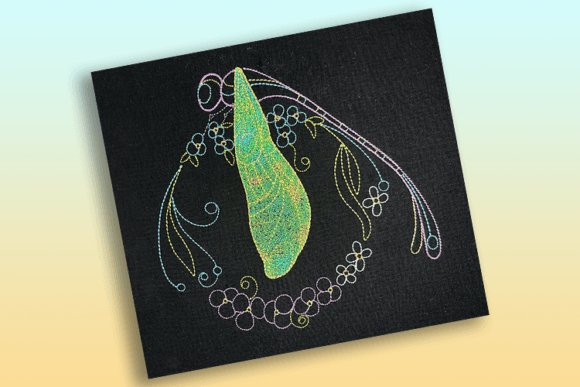
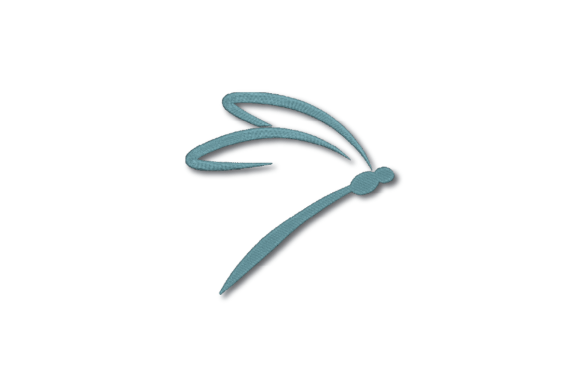
The description for this file calls it a "delicate dragonfly," which sets a very specific tone. In the world of machine embroidery, delicate often means intricate. It suggests fine lines, perhaps some open work, and a sense of lightness. When I imagine this design, I do not picture a bold, blocky insect that screams for attention with heavy fills. Instead, I see something elegant, soft, and decorative. It feels modern yet timeless, fitting perfectly into farmhouse, cottagecore, or minimalist aesthetic trends that dominate current craft markets.
This subtlety is actually its greatest strength for commercial production. A loud, busy design can sometimes clash with the texture of the fabric. A delicate dragonfly complements the weave of cotton or linen. It feels premium because it relies on precision rather than volume. For a boutique maker, this is the kind of detail that makes a customer stop and ask, "Did you stitch that by hand?" even though it was done on a computerized machine.
Product Application: Where Does Dragonfly Shine?
To determine if a design is a winner, I have to visualize it on actual products. The Dragonfly file is versatile, but it has clear heroes. Here is how I see it performing across different craft fair products.
Tote Bags and Market Bags
A single, centered dragonfly on a canvas tote bag is a classic bestseller. Because the design is described as delicate, it works beautifully as a focal point without overwhelming the bag’s structure. It photographs incredibly well for online listings, offering a clean, uncluttered look that appeals to shoppers looking for everyday carry items. If placed near the pocket or slightly off-center, it adds a touch of whimsy to a utilitarian item.
Kitchen Linens: Aprons and Tea Towels
In the kitchen, nature motifs are perennial sellers. The Dragonfly design would look exquisite on a white or cream tea towel embroidery project. The contrast between the thread colors and the natural fiber creates a soft, inviting vibe. On an apron, it could serve as a small accent near the chest or cuff. However, I must caution against placing it too low where it might get caught on oven handles or sink edges. As a decorative element on a hanging kitchen towel, it elevates a simple gift item into something special.
Caps and Patches
For cap embroidery, size is everything. If the Dragonfly file is scaled down significantly, I need to ensure the tiny details remain visible. Curved surfaces can distort fine lines, so testing on a foam backing is crucial. If the design includes enough negative space, it can work as a cute, small logo on the side of a dad hat. Alternatively, it translates very well as an embroidered patch. Patches allow customers to attach the design to backpacks or jackets, extending the life of the product beyond just clothing.
Pillow Covers and Small Pouches
Home decor is a huge segment for handmade shops. A dragonfly motif on a pillow cover brings a touch of the outdoors in. It pairs well with botanical prints or solid neutral fabrics. For small pouches, such as those used for makeup or sewing kits, the design adds a professional finish. These are impulse-buy items at craft fairs, and a beautifully stitched insect can be the deciding factor for a buyer.
Production Practicality and Quality Control
As a designer, I cannot simply assume the file will run perfectly. The description warns that any alteration on the file may affect the output. This is a critical note for anyone planning to use this for commercial embroidery. Here is my checklist for preparing this design for production.
- Test Fabric: Always run a sample on the test fabric. Cotton behaves differently than polyester blends. If you are using a textured towel, the stitches may not lay flat, losing the delicate definition of the wings.
- Stitch Density: Check the stitch density carefully. Delicate designs often have lighter density, which is good for flexibility but requires a good stabilizer. If the fabric is thick, you may need a cut-away stabilizer to prevent puckering.
- Hoop Size: Confirm the hoop size required. If the design is large, you might need to break it into sections, which can ruin the seamless look of a delicate insect. Ideally, this should fit within a standard 5x7 or 6x10 hoop to keep production efficient.
- Thread Contrast: Choose thread colors that pop against your fabric. On dark fabric, a delicate design can disappear if the thread is too thin or the color is too similar. Use brighter threads or a lighter base fabric to maintain clarity.
- Small Details: Inspect the wings and legs. If these elements are too thin, they may break during trimming or washing. Ensure the design assets are robust enough for frequent handling.
Selling the Story: Visual Appeal and Brand Consistency
When you create a printable mockup for your Etsy shop or social media, the Dragonfly design needs to communicate quality. Because it is delicate, it conveys care and craftsmanship. Buyers associate fine details with higher value. This allows you to price your small shop product at a premium point, knowing the customer sees the effort involved.
Consistency is key for brand building. If you use this dragonfly across multiple items—totes, shirts, and stickers—it becomes a recognizable signature for your booth. It tells a cohesive story of nature-inspired elegance. When customers see the same beautiful insect repeated in different contexts, they trust your brand’s aesthetic judgment.
Final Verdict for Craft Fair Sellers
The Dragonfly embroidery file is a strong candidate for your next batch of handmade products. Its delicate nature makes it suitable for a wide range of applications, from kitchen linens to fashion accessories. It appeals to buyers who appreciate subtle beauty and high-quality execution.
However, success depends on preparation. Do not skip the sample run. Verify the embroidery file compatibility with your machine software. Ensure your stabilizer choice matches your fabric weight. And remember, always check the licensing terms to confirm you have the right to sell finished products made from this digital embroidery file.
If you execute this design with care, paying attention to thread tension and fabric choice, you will have a standout piece that captures attention at your craft fair booth and drives sales in your online store. It is a refined addition to any Bugs Insects collection, perfect for adding a touch of grace to your machine embroidery design portfolio.