Butterfly Symphony Embroidery Design Review
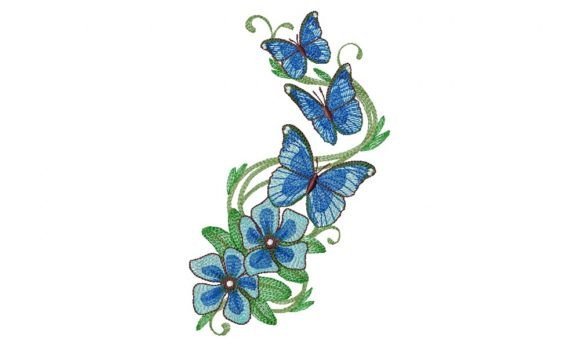
As an embroidery designer who spends hours judging stitch quality and visual balance, I am always on the lookout for designs that elevate basic garments into custom apparel pieces. Recently, I came across the Butterfly Symphony Embroidery Design on Creative Fabrica, and it immediately caught my eye. For those of us running small clothing brands or Etsy shops, finding a design that feels both premium and versatile is key. This machine embroidery design falls under the Bugs Insects category, but don’t let the classification fool you; this piece is less about entomology and more about artistic elegance.
First Impressions: Visual Personality and Mood
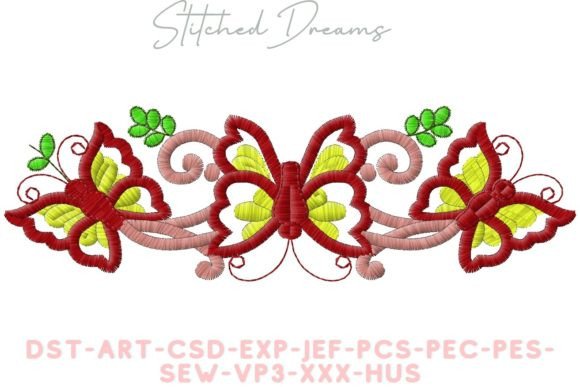
When I first loaded the file to preview it on my screen, the immediate feeling was one of grace. The design showcases three butterflies, each adorned with its own unique set of intricate motifs. It doesn’t feel cluttered or overly busy, which is a common pitfall in many digital embroidery files. Instead, it strikes a balance between delicate and bold. The mood is definitely feminine and playful, yet sophisticated enough for a boutique brand targeting a slightly older demographic.
The decorative strength of this embroidery file lies in its ability to stand alone without needing excessive text or backing elements. It feels classic rather than trendy, meaning it won’t look outdated next season. For a designer planning a seasonal collection, this versatility is invaluable. Whether you are aiming for a rustic aesthetic or a clean, modern look, the thread colors you choose will dictate the final vibe. I imagine this looking stunning in soft pastels for spring collections or deep jewel tones for autumn layers.
Application on Boutique Apparel
One of the primary reasons I evaluate these files is how they translate to physical garments. I have been conceptualizing a small sweatshirt and hoodie collection for my online shop, and the Butterfly Symphony Embroidery Design fits seamlessly into that vision. Here is how I see it performing across different product types:
- Sweatshirt Embroidery: On neutral-colored crewnecks, this design adds a touch of luxury. The intricate motifs catch the light nicely against the soft texture of cotton fleece, making the finished product feel expensive.
- Hoodie Chest Placement: For a subtle branding approach, placing this on the left chest offers a refined look. It works particularly well on oversized hoodies, where the design can breathe without competing with the garment’s volume.
- Sleeve Accents: I love the idea of using smaller iterations of this design as sleeve accents. It creates a cohesive brand identity when repeated subtly along the arm.
- Back Designs: If scaled up appropriately, this could serve as a striking back print for statement hoodies. The symphony of three butterflies allows for a larger composition that draws the eye.
- T-Shirt Embroidery: On lightweight tees, the design provides a nice contrast to the smooth fabric. It elevates a basic tee into a handmade product worthy of higher price points.
- Denim Jackets: Denim pairs beautifully with butterfly imagery. The ruggedness of the denim complements the delicate nature of the embroidery, creating a popular streetwear aesthetic.
- Tote Bags: For lifestyle products, this design translates well to canvas totes. It serves as excellent printable mockup material for social media graphics and Etsy listings.
Color and Fabric Considerations
The success of any commercial embroidery project relies heavily on color theory. With the Butterfly Symphony Embroidery Design, I recommend testing thread contrasts carefully. On dark garments, lighter threads will pop, but you must ensure the underlay stitches are sufficient to prevent the fabric from showing through. Conversely, on pastel hoodies, tonal threads can create a subtle, high-end effect that appeals to buyers looking for minimalism.
Fabric texture also plays a crucial role. The design shines on stable fabrics like cotton blends and fleece. However, caution is advised when working with highly stretchy materials or ribbed fabrics, as the tension of the embroidery may cause puckering if not stabilized correctly.
Where to Use Carefully
While this design is versatile, there are specific areas where it requires careful application to maintain professional presentation:
- Small Chest Placement: Ensure the design is scaled down appropriately so the intricate details do not merge into a blur. Tiny lettering should be avoided if paired with this design, as it can compete for attention.
- Dense Stitch Areas: Inspect the stitch density before production. While the design is elegant, dense areas on stretchy fabric can become stiff and uncomfortable.
- Curved Surfaces: Avoid placing the main body of the design on curved surfaces like shoulders or collars unless you are using specialized hoops. Flat panels on the front or back of garments are ideal.
- Fleece and Pilling Fabrics: On low-quality fleece, the needle holes from the embroidery may lead to pilling over time. Always test on scrap fabric first.
Impact on Brand Identity and Value
Using a high-quality digital embroidery file like the Butterfly Symphony Embroidery Design directly affects buyer trust and product recognition. Customers can often tell the difference between mass-produced prints and detailed embroidery. The tactile nature of embroidery suggests durability and care, which enhances the perceived value of your small shop product.
For an Etsy seller or creative entrepreneur, consistency is key. By using a design that feels premium and timeless, you build a brand identity that customers associate with quality. This leads to better customer engagement and repeat business. When you present your items in lifestyle product photos, the depth and texture of the embroidery add visual interest that flat prints cannot replicate.
Practical Designer Notes
Before adding this design to your production line, here are some essential steps every professional should take:
- Test on Scrap Fabric: Never skip this step. Test the design on the exact fabric you plan to use to check for puckering or misalignment.
- Check Stabilizer Choice: The right stabilizer is critical. For sweatshirts, a cut-away stabilizer is usually best to maintain flexibility and durability.
- Confirm Hoop Size: Verify that your machine’s hoop size accommodates the design dimensions. If the design is large, you may need to rehoop, which can affect alignment.
- Inspect Stitch Density: Look closely at the file structure. If the density seems too high for the intended fabric weight, consider adjusting the settings or scaling the design slightly.
- Review Licensing: Always check the Creative Fabrica product details and licensing terms before selling finished apparel. Understanding what you can and cannot do with the embroidery file protects your business legally.
In conclusion, the Butterfly Symphony Embroidery Design is a strong contender for anyone looking to expand their boutique brand offerings. Its elegance, combined with its adaptability across various apparel types, makes it a smart investment for designers seeking to create memorable, high-quality products. By paying attention to placement, fabric choice, and finishing details, you can turn this digital asset into a tangible success story for your handmade business.