Cute Mouse Embroidery Design Review
As a designer who spends more time staring at stitch density charts and fabric swatches than sleeping, I have learned to trust my gut before I ever thread the needle. When I first laid eyes on the Cute Mouse design, I didn’t just see a file; I saw potential inventory for my own shop and a solution for a client’s specific request. This is not just another clipart vector converted into stitches. It is a machine embroidery design that requires careful consideration regarding placement, fabric choice, and end-use. Below is my practical evaluation of how this pattern performs in real-world scenarios, specifically tailored for small business owners, Etsy sellers, and serious hobbyists.
First Impressions and Visual Personality
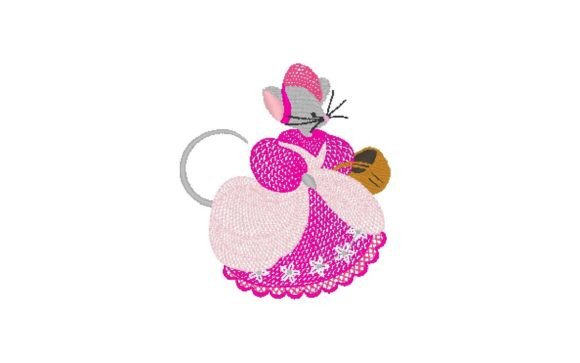
The immediate appeal of Cute Mouse lies in its simplicity and charm. In the crowded niche of Baby Animals, it is easy for designs to become cluttered or overly complex, losing their impact when stitched out. This design avoids that trap. The visual personality is soft, approachable, and undeniably adorable. It creates a mood of warmth and comfort, which is exactly what buyers are looking for when they purchase handmade goods for nurseries or personalized gifts.
From a layout perspective, the shape is clean. It does not rely on excessive detail to make its point. Instead, it uses negative space and clear lines to define the character. This is crucial for embroidery because fine details often get lost in the stitching process or can look muddy if the stitch density is not perfectly calibrated. The design feels balanced, making it versatile enough to be placed centrally on a garment or tucked neatly into a corner of a tote bag without overwhelming the overall aesthetic.
Real-World Application: Where Does It Shine?
I recently evaluated this design with a specific project in mind: a line of boutique baby items. Here is how Cute Mouse translates across different product categories:
- Custom Apparel and Sweatshirts: For adult sweatshirts, this design works best as a subtle accent rather than a massive chest piece. It pairs beautifully with neutral tones like oatmeal, sage green, or soft grey. On children’s clothing, it serves as a perfect focal point for onesies or bibs. The scale is appropriate for embroidered patches that might be sewn onto denim jackets or backpacks.
- Tote Bag Design: Canvas totes are a staple for the Etsy seller market. Placing Cute Mouse on the front pocket or centered on the main body adds a touch of whimsy. However, one must consider the weight of the stitches against the fabric durability. For a handmade product intended for daily use, ensure the stabilizer is removed cleanly so the bag remains flexible.
- Kitchen and Home Decor: Tea towels and kitchen aprons are excellent candidates. The design brings a cozy, cottage-core vibe to the kitchen. When used on a tea towel, the contrast between the thread colors and the fabric texture becomes a key selling point. It also works well on pillow covers for nursery decor, offering a high perceived value for a relatively low production cost.
- Holiday Embroidery: While not explicitly seasonal, the cute factor makes it suitable for year-round gifting. It fits naturally into holiday gift sets, perhaps paired with a knitted hat or a wooden toy. For personalized gifts, adding a name below the mouse elevates the item from a mass-produced feel to a bespoke treasure.
Technical Considerations and Fabric Compatibility
No matter how beautiful a design looks on screen, its success depends on execution. When working with Cute Mouse, there are several technical pitfalls to avoid. First, always test the design on scrap fabric before committing to your final material. This is non-negotiable for any professional designer.
Fabric texture plays a significant role in the final look. Smooth fabrics like cotton broadcloth or linen allow the satin stitch elements to lie flat and crisp. Conversely, highly textured fabrics such as terry cloth or heavy fleece may distort the finer details of the mouse’s features. If you are using a stretchy fabric like jersey knit, proper stabilization is critical to prevent puckering. A cut-away stabilizer is often recommended for garments that will undergo frequent washing, ensuring the integrity of the embroidery project over time.
Thread color contrast is another vital element. Because the design relies on clear shapes, low-contrast thread combinations (such as light beige on white) may result in a washed-out appearance. I recommend testing various thread colors to find the optimal balance. Additionally, inspecting the design in black and white mockups can help you judge the tonal values accurately, ensuring that the distinction between the fill stitch areas and the background is maintained.
Areas Caution Is Required
While Cute Mouse is versatile, it is not a one-size-fits-all solution. There are specific contexts where this design may struggle:
- Small Hoop Sizes: If the design contains intricate details that require precision, attempting to fit it into an extremely small hoop may compromise clarity. Ensure your hoop size accommodates the entire design without unnecessary trimming.
- Dense Stitch Areas: Check the stitch density in concentrated areas. Too much density in a small space can cause the fabric to pucker or the needle to break. If the design has large solid fills, consider whether a lighter touch would achieve the same visual effect.
- Curved Surfaces: Applying this design to curved surfaces like caps or sleeves requires advanced technique. The flat nature of the design may not conform well to sharp curves, leading to distortion. It is better suited for flat panels or gently curved areas.
- Thin or Delicate Fabrics: Avoid using this design on very thin materials without adequate support. The tension required for stable stitching may tear delicate fibers, ruining both the fabric and the finished product.
Impact on Brand and Customer Trust
In the world of craft business and digital products, presentation is everything. A well-executed embroidery design builds trust with your customers. When a buyer sees a clean, professionally stitched Cute Mouse on a listing photo, it signals quality and attention to detail. This enhances the perceived value of the item, allowing for healthier profit margins.
For commercial embroidery projects, consistency is key. Using reliable designs helps maintain brand identity across multiple products. Whether you are creating a series of matching items or expanding your catalog, having a cohesive style—such as the charming aesthetic of this mouse design—helps customers recognize and remember your work. Furthermore, providing high-quality printable mockups that showcase the design on various backgrounds can significantly boost engagement and conversion rates for your online store.
Final Designer Notes
Before integrating Cute Mouse into your workflow, take the following steps:
- Review File Formats: Confirm that the embroidery file includes all necessary formats for your machine. Different machines may require specific extensions.
- Check Licensing: If you plan to sell finished items, verify the licensing terms. Some digital embroidery files are for personal use only, while others permit commercial sales. Never assume; always read the fine print.
- Test Stability: Experiment with different types of stabilizer to find the best match for your chosen fabric. This step saves time and reduces waste in the long run.
- Evaluate Versatility: Consider how the design fits into your existing collection. Does it complement your other themes? Can it be adapted for different seasons or occasions?
In conclusion, Cute Mouse is a strong addition to any designer’s library. Its charm is timeless, and its technical requirements are manageable for those who pay attention to detail. By understanding its strengths and limitations, you can create stunning handmade products that resonate with customers and stand out in a competitive market. Whether you are decorating a single gift or building a robust small shop product line, this design offers a reliable foundation for creative success.