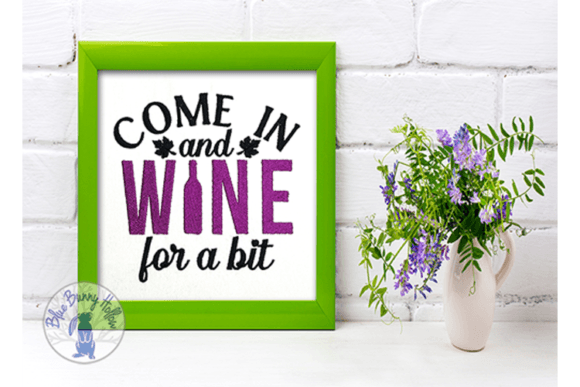
Review: Come in and Wine Embroidery Design
As an embroidery designer who spends hours digitizing, testing, and refining designs for both personal projects and commercial clients, I am always on the lookout for designs that balance wit with technical precision. When I stumbled upon the Come in and Wine design on Creative Fabrica, my first thought was not just about the humor, but about its potential application in real-world handmade products. This review is based on a practical evaluation of how this design might perform when stitched onto various substrates, from kitchen textiles to custom apparel.
First Impressions and Visual Appeal
The phrase "Come in and Wine" is a staple of modern hospitality humor, making it a natural fit for hostess gifts, wine-themed decor, and casual entertaining accessories. Visually, the design carries a playful, relaxed mood. It does not attempt to be overly ornate; instead, it relies on clear typography and a straightforward layout that translates well into stitch work. For designers, this clarity is crucial. A design that is too busy can become muddy when digitized, especially if the lettering is small or the background elements are dense.
In terms of decorative appeal, this design feels versatile. It is not limited to a single aesthetic. It can lean rustic when paired with burlap or linen, or feel more chic when placed on crisp white cotton or high-quality jersey knit. The visual weight of the text suggests it is designed to be a focal point, which makes it ideal for items where the message is as important as the craftsmanship. Whether you are creating a personalized gift for a friend or stocking up your Etsy shop for holiday sales, the immediate recognition of the phrase adds value before the customer even sees the stitching quality.
Performance in Real Embroidery Projects
When considering this embroidery file for production, it is helpful to think about the specific garments and accessories it will adorn. The design’s structure seems well-suited for flat surfaces and moderately curved areas. Here is how it might perform across different product categories:
- Kitchen Towels and Aprons: These are perhaps the most obvious applications. The sturdy nature of cotton tea towels and apron fabric provides a stable base for stitching. The design would look excellent centered on a towel or positioned on the bib of an apron. The humor aligns perfectly with the domestic setting, making it a popular choice for housewarming presents.
- Tote Bags and Market Bags: Using this as a tote bag design is a smart move for craft fair vendors. Canvas totes provide a neutral backdrop that allows the thread colors to pop. However, designers should be mindful of the bag’s thickness; a heavy canvas may require a stronger stabilizer to prevent puckering.
- Sweatshirt Embroidery: For those looking to expand into custom apparel, this design works well on sweatshirts and hoodies. The cozy vibe of the garment matches the relaxed tone of the quote. When embroidering on fleece or heavy cotton blends, ensuring proper hooping tension is key to maintaining the integrity of the letters.
- Pillow Covers and Nursery Decor: While primarily a wine-themed quote, the playful font could work surprisingly well in a quirky nursery or a parent’s bedroom. It serves as a lighthearted reminder amidst the chaos of parenting. On pillow covers, the design adds a touch of personality that mass-produced items often lack.
- Embroidered Patches and Caps: If the design includes a border or is formatted correctly, it could be adapted into an embroidered patch. Applying it to the front of a cap requires careful attention to the curve of the panel to ensure the text remains legible and does not distort.
Practical Considerations for Stitching
No design exists in a vacuum, and the success of any machine embroidery design depends heavily on the preparation and execution. Before committing this design to a final product, there are several technical factors to evaluate.
Hoop Size and Placement: Always verify the recommended hoop size for the design. If the design is large, it may require multiple hoops, which increases the risk of alignment errors. For smaller projects like napkins or coasters, ensure the design fits comfortably within the hoop without cutting off critical details.
Stitch Density and Detail: Examine the stitch density closely. High-density areas can cause fabric distortion, especially on lightweight materials like silk or thin jersey. Conversely, low-density areas might show through on light fabrics if the backing is not sufficient. Look at how the designer has handled transitions between satin stitch and fill stitch. Smooth transitions prevent needle breaks and ensure a professional finish.
Thread Color Contrast: The choice of thread is paramount. On dark fabric, light threads may require an underlay or a specific color strategy to achieve opacity. On light fabric, dark threads offer sharp contrast but may reveal every minor imperfection in the stitching. I recommend creating a printable mockup or stitching a test sample on scrap fabric to confirm that the chosen thread colors deliver the intended visual impact.
Stabilizer Selection: Never underestimate the role of stabilizer. For stretchy fabrics like t-shirts or sweatshirts, a cut-away stabilizer is often necessary to prevent the fabric from shifting during stitching. For woven fabrics like towels or table runners, a tear-away stabilizer might suffice, provided the design is not excessively dense. Proper stabilization ensures the finished product remains flat and durable after washing.
Impact on Product Value and Brand Trust
For sellers on Etsy or other handmade marketplaces, the perceived quality of your work directly influences buyer trust. A well-executed commercial embroidery project signals professionalism. When customers receive a handmade product that features clean stitches, no loose threads, and accurate placement, they are more likely to leave positive reviews and return for future purchases.
The "Come in and Wine" design offers a unique advantage: it is inherently giftable. Items featuring this design do not need extensive marketing to explain their purpose; the humor sells itself. This reduces the cognitive load for the buyer and can lead to higher conversion rates. Furthermore, because the design is relatable, it encourages social sharing. Customers are more likely to photograph and share their new wine bags or aprons online, providing free organic marketing for your brand.
However, consistency is key. If you plan to use this design for a line of products, ensure that the stitching quality remains uniform across all units. Variations in tension or alignment can undermine the brand’s reputation. Regularly inspect your samples for issues such as tiny lettering becoming illegible or dense stitch areas causing bulkiness.
Final Thoughts and Recommendations
The Come in and Wine design is a solid addition to any embroidery library, particularly for those focusing on lifestyle, home decor, and novelty gifts. Its strength lies in its simplicity and broad appeal. It is not a complex artistic statement, but rather a functional piece of humor that enhances everyday items.
Before using this design for commercial purposes, please take the following steps:
- Test Stitch: Always stitch out the design on the actual fabric you intend to use. This reveals issues with thread tension, fabric compatibility, and stabilizer needs.
- Check File Details: Review the product page on Creative Fabrica for specific file formats, recommended machine settings, and any included instructions.
- Verify Licensing: Confirm the licensing terms for commercial use. Ensure you have the right to sell finished items made from this digital embroidery file.
- Inspect Small Details: Zoom in on the digitized file to check for any unnecessary jumps or trims that might affect the final appearance.
By approaching this design with a critical eye and proper technical preparation, you can create high-quality products that resonate with customers. Whether you are a seasoned pro or just starting your journey in creative entrepreneurship, "Come in and Wine" offers a fun, reliable option for expanding your catalog. Remember, the best embroidery designs are not just technically sound; they also bring a smile to the face of the recipient. In that regard, this design delivers exactly what it promises.