Hanging Autumn Leaves Review
As a designer who spends more time than I care to admit staring at stitch density charts and testing fabric samples, I approach every new machine embroidery design with a mix of hope and skepticism. We all want that perfect balance between aesthetic charm and technical feasibility. Recently, I had the chance to evaluate a design called Hanging Autumn Leaves. On paper, it sounds like just another seasonal motif, but in practice, it offers something distinct for anyone looking to add a cozy, creative touch to their projects. This review isn’t just about whether it looks pretty; it’s about how it performs when you are actually stitching it out for a client, a gift, or your own boutique line.
The First Impression: Mood and Visual Personality
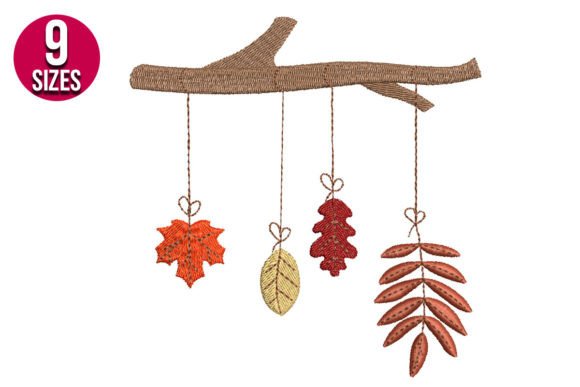
When you first open the embroidery file, the immediate takeaway is simplicity. In a market saturated with overly complex, cluttered designs that try to do too much, Hanging Autumn Leaves feels like a breath of fresh air. The layout suggests a gentle, cascading arrangement, mimicking leaves drifting down or hanging lightly from an unseen branch. It creates a mood that is undeniably cozy and inviting.
From a design perspective, this is crucial. A handmade product needs to communicate its vibe instantly. This design does that through negative space and clean lines rather than heavy, dense fills. It feels lightweight, which translates directly to the finished piece. It doesn’t feel stiff or rigid against the skin, a common complaint with many autumn-themed motifs that rely on thick, blocky stitches. Instead, it has a natural, organic flow that suggests movement. For a crafter or Etsy seller, this visual lightness is a huge selling point because it implies comfort and quality.
Real-World Application: Where This Design Shines
I put Hanging Autumn Leaves through its paces by imagining it in several real-life scenarios. Here is where I see it performing best:
- Custom Apparel and Sweatshirts: This is perhaps the strongest use case. Imagine a soft, heather-grey crewneck sweatshirt with a small cluster of these leaves embroidered near the hem or on the back yoke. Because the design is not overly dense, it sits beautifully on knit fabrics without causing puckering. It adds a subtle, sophisticated detail that elevates a basic garment into a custom apparel item worthy of a higher price point.
- Tote Bags and Canvas Items: A tote bag design benefits greatly from clean, readable graphics. When stitched onto sturdy canvas or cotton duck, the leaves stand out clearly. The contrast between the thread colors and the fabric texture becomes a focal point. It works exceptionally well as a standalone graphic on the front pocket of a tote, offering a practical yet stylish accessory for fall outings.
- Baby Embroidery and Nursery Decor: There is something inherently gentle about falling leaves. I envision this design on a muslin burp cloth or a small blanket for a nursery. The soft, natural theme fits perfectly with modern nursery aesthetics. However, for baby embroidery, you must ensure the thread choices are soft and non-irritating, and the design scale is appropriate for small items.
- Kitchen Towels and Aprons: For the home decor segment, this design brings warmth to the kitchen. Stitched onto a linen tea towel or a denim apron, it serves as a delightful personalized gift. It’s functional art—something people will use daily, keeping your brand or your thoughtfulness top-of-mind.
Technical Considerations and Potential Pitfalls
No design is flawless, and knowing where to exercise caution is what separates a professional from an amateur. While Hanging Autumn Leaves is generally forgiving, there are specific situations where you need to be careful.
First, consider the hoop size and fabric type. If you attempt to stitch this on a highly textured fabric, such as a chunky bouclé wool or a heavily napped fleece, the details of the leaves may get lost. The needle might struggle to penetrate evenly, leading to inconsistent tension. Similarly, on stretchy fabrics like thin jersey, you must use a high-quality stabilizer to prevent distortion. Without proper support, even a simple design can warp.
Another area requiring attention is dark fabric. If you plan to use this on black or navy garments, you need to choose your thread colors wisely. Light-colored threads (creams, golds, soft oranges) will pop beautifully, creating a striking contrast. Dark threads on dark fabric, however, will result in a muddy, indistinct image. Always test your color palette before committing to a full production run.
You should also avoid placing this design on curved surfaces like baseball caps unless you have significant experience with cap hoops and stabilization techniques. The natural curve of a cap can distort the hanging motion of the leaves, making them look awkward. For beginners, flat surfaces like pillow covers, patches, or flat-knit sweaters are much safer bets.
Stitch Density and Clarity
One of the strengths of this design is its moderate stitch density. It avoids the "plastic" look that comes from excessive satin stitching. However, if you are using a lower-end machine or thinner thread, you might notice some gaps in the fill areas. To maintain a premium finish, consider using a slightly thicker thread or adding a light backing stabilizer to ensure opacity. Also, inspect the corners of any leaf shapes closely; if they are very sharp, they may require a slight adjustment in the digitizing software to prevent thread breaks during high-speed stitching.
Strategic Advice for Sellers and Makers
If you are a small business owner or a craft business operator, here is how to leverage this design effectively:
- Mockup Testing: Before buying materials, create digital mockups. View the design in black and white to check its silhouette. Does it read clearly? Then view it on various fabric textures online to gauge how the thread might interact with the weave.
- Scrap Fabric Tests: Never skip this step. Stitch the design on the exact fabric you plan to sell. Check for puckering, thread tension issues, and color accuracy. This saves you from costly mistakes and returns.
- Licensing and Commercial Use: Ensure you have the correct license to sell finished products made with this digital embroidery file. Some designers restrict commercial use, while others allow it with attribution. Clarify this before listing your items on Etsy or your own shop.
- Brand Consistency: Use this design to build a cohesive seasonal collection. Pair it with complementary elements or consistent packaging to enhance brand consistency. A well-presented finished product builds customer trust and encourages repeat purchases.
Final Verdict
Hanging Autumn Leaves is a versatile, well-executed design that prioritizes elegance over complexity. It is ideal for makers who want to create high-quality, heartfelt items without getting bogged down in technical difficulties. Whether you are crafting a holiday gift for family or developing a new line of small shop products, this design offers a reliable foundation for success. Just remember to respect the fabric, test thoroughly, and let the natural beauty of the design speak for itself. It is a solid addition to any embroidery project library for the fall season.