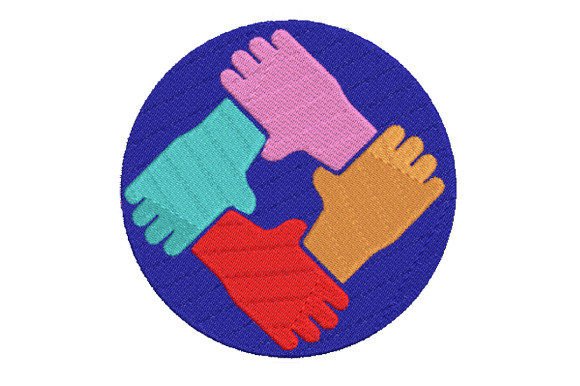
Hand in Hand Unity Rally
As an embroidery designer who has spent years translating digital concepts into tangible textile experiences, I approach every new embroidery file with a critical eye. We are not just looking for something that looks pretty on a hoop; we are looking for viability, scalability, and brand alignment. Today, I am reviewing the Hand in Hand Unity Rally, a design categorized under Freebies in the Embroidery sector. For small business owners, Etsy sellers, and apparel decorators, understanding the practical application of free assets is crucial to maintaining profitability and quality standards.
First Impressions: Visual Personality and Brand Alignment
The title Hand in Hand Unity Rally immediately suggests themes of community, collaboration, and inclusivity. From a design perspective, this implies a graphic that is likely bold enough to be read quickly but soft enough to feel welcoming. When evaluating a machine embroidery design for commercial use, the first step is assessing its visual weight. Does it scream too loudly? Is it too delicate?
In the context of a "Unity Rally," the design likely utilizes strong outlines or interconnected elements. This makes it highly suitable for businesses that want to project warmth and reliability. It feels professional yet approachable, avoiding the overly corporate stiffness of traditional logos while steering clear of the chaotic energy of purely decorative patterns. For a boutique, a creative studio, or a local café, this aesthetic strikes the perfect balance between modern elegance and handmade charm. It signals to the customer that the brand values connection, which is a powerful emotional hook in today’s market.
Real-World Business Applications
Let us move beyond theory and look at how Hand in Hand Unity Rally performs as a functional asset for . In my experience, versatility is the hallmark of a successful design. Here is where this pattern shines:
- Embroidered Patches: The unity theme translates exceptionally well to patches. Whether applied to denim jackets, backpacks, or promotional bags, the interconnected hands create a focal point that invites conversation. It serves as a badge of belonging for customers who identify with the brand’s values.
- Staff Uniforms and Aprons: For bakeries, florists, or retail boutiques, branding staff creates a cohesive team identity. Placing this design on the chest of a work shirt or the pocket of an apron embroidery project adds a touch of personality without overwhelming the uniform. It humanizes the service interaction.
- Cap Embroidery: Caps are staple items in custom apparel catalogs. A centered unity design on a cap front works well if the stitch density is managed correctly. It offers a subtle nod to community spirit, perfect for event merchandise or seasonal promotions.
- Tote Bag Design: Canvas totes are another high-demand item. The durability of canvas pairs well with the structural integrity required for a unity-themed design. It becomes a walking billboard for the brand, reinforcing brand identity every time the bag is used in public.
- Product Packaging Accents: Do not overlook smaller applications. A tiny embroidered tag featuring this design on product packaging can elevate the unboxing experience. It adds a tactile layer of luxury to handmade products, signaling attention to detail.
Strategic Considerations and Limitations
While the concept is strong, execution is everything. As a designer, I must advise caution in specific scenarios. Not every surface is created equal, and not every size is viable.
Small Patch Sizes and Cap Fronts: If you intend to digitize or use this design for very small patches (under 2 inches) or tight spaces on cap fronts, you must scrutinize the fine details. Unity designs often involve multiple fingers or intricate connections. At small scales, these details can merge into a muddy blob. Always test the embroidered patch at its intended final size before committing to production runs.
Fabric Texture and Dark Uniforms: The performance of any digital embroidery file is heavily dependent on the substrate. On textured fabrics like heavy tweed or uneven knits, the stability of the design may suffer. Furthermore, on dark uniforms, thread color contrast is paramount. If the design relies on light threads against a dark background, ensure there is sufficient underlay to prevent show-through. Conversely, dark threads on black fabric will disappear entirely.
High Stitch Density and Washing: Items that require frequent washing, such as aprons or work shirts, need robust construction. High stitch density can make fabric stiff and uncomfortable. Check the stitch density of the file; if it is too dense, consider simplifying the design or using a lighter stabilizer to maintain comfort without sacrificing durability.
Impact on Brand Identity and Customer Trust
Branding is not just about a logo; it is about consistency and perceived value. Using a cohesive design like Hand in Hand Unity Rally across various touchpoints—from tote bag design elements to product labels—creates a unified visual language. This consistency builds customer trust and recognition.
When a customer sees the same thoughtful imagery on your hat, your bag, and your staff’s apron, it reinforces the message that your business is established and professional. It elevates the perceived value of the finished product. In the competitive landscape of Etsy and craft fairs, this level of polish can be the differentiator that turns a casual browser into a loyal buyer. It signals that you care about the details, which encourages buyers to trust you with their money.
Practical Designer Notes for Production
Before integrating this free asset into your commercial workflow, follow these essential steps to ensure quality control:
- Test in Black and White: Convert the design to grayscale first. This helps you evaluate the shape and spacing without being distracted by thread colors. If the silhouette doesn’t work in monochrome, it won’t work in color.
- Check Hoop Size and File Specs: Verify the recommended hoop size for the embroidery file. Ensure it fits your available equipment and the dimensions of your merchandise. Since this is a freebie, detailed specifications might be sparse, so verify compatibility yourself.
- Stabilizer Selection: Choose the correct stabilizer for your fabric. Cut-away stabilizers are generally preferred for garments and caps to provide long-term support, while tear-away may suffice for rigid totes or packaging tags.
- Create a Printable Mockup: Before stitching, generate a printable mockup to visualize the design on your actual product. This allows for client approval and helps catch scaling errors early.
- Commercial Licensing: This is the most critical legal step. Even though the file is listed under Freebies, you must confirm the license terms. Does the creator allow commercial use? Can you sell physical goods made with the design? Never assume; always check the design assets documentation to avoid copyright infringement.
In conclusion, Hand in Hand Unity Rally offers a compelling opportunity for small businesses to enhance their visual identity through meaningful, community-focused embroidery. By carefully considering placement, fabric choice, and licensing, you can transform this digital file into a powerful tool for brand building and customer engagement.