Halloween Party Embroidery Review
As a designer who spends more time staring at stitch density charts than sleeping, I approach every new embroidery file with a mix of curiosity and skepticism. The market is saturated with generic clip art converted into digitized formats, so finding a design that actually holds up under the needle is rare. Recently, I pulled down the Halloween Party design from the Freebies section to see if it had the legs for real-world application. My goal was simple: determine if this spooky motif could transition smoothly from a digital preview to a high-quality finished product suitable for my craft business or client orders.
First Impressions and Visual Personality
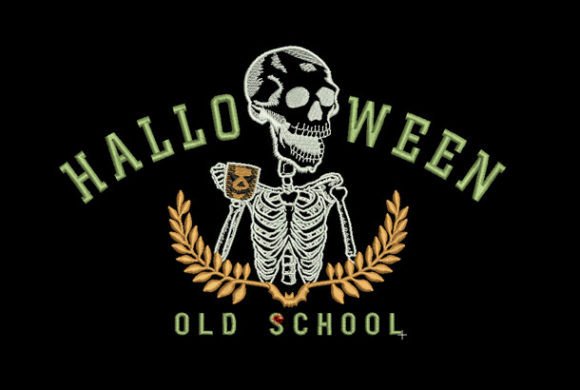
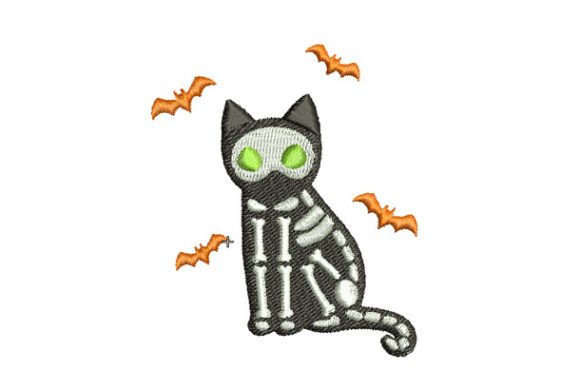
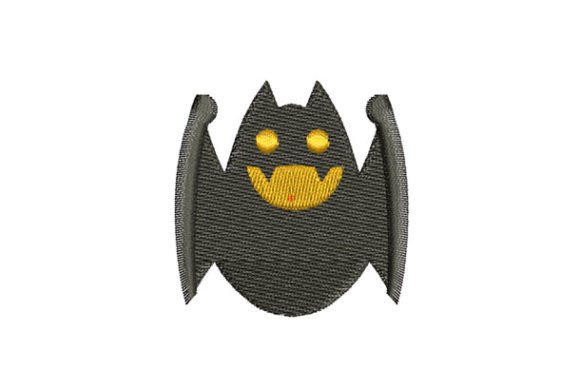
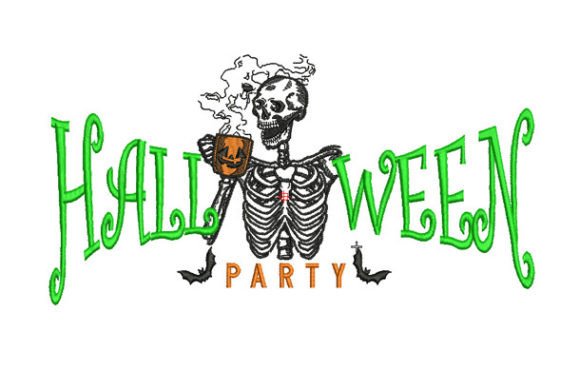
The moment I loaded the machine embroidery design into my software, the layout struck me as balanced but playful. It doesn’t try to be overly intricate in a way that risks tangling on cheaper fabrics, nor is it so simple that it feels like a placeholder. The visual personality leans toward festive rather than terrifying, which makes it incredibly versatile. It creates a mood that is welcoming enough for a baby’s nursery decor but distinct enough to stand out on a boutique t-shirt.
From a design perspective, the shapes are clean. There is a clear hierarchy in the elements, meaning the eye knows exactly where to look first. This is crucial for custom apparel because cluttered designs often lose their impact once stitched, especially when thread texture adds bulk. The Halloween Party theme is executed with enough detail to feel premium without demanding an excessive amount of hoop space. It feels like a design that belongs in the holiday season but has enough neutral charm to work year-round if styled correctly.
Real-World Application Scenarios
I decided to test the practicality of this design by imagining three specific use cases, each targeting a different segment of the handmade market. This helps us understand where the embroidery project truly shines.
- The Custom Tote Bag: Imagine a canvas tote bag for a local Halloween market. The design’s bold outlines would pop against natural cotton canvas. For an Etsy seller, this is a low-risk, high-reward item. The design isn’t so large that it requires a massive hoop, making it efficient to produce in batches. It serves as a perfect personalized gift or party favor.
- Baby and Nursery Items: One of the most profitable niches in handmade goods is baby apparel. Because the Halloween Party design avoids harsh imagery, it works beautifully on onesies or burp cloths. Parents love subtle holiday themes that don’t scare the little ones. When paired with soft pastel threads, the stitch density adds a lovely texture that feels luxurious to the touch.
- Kitchen and Home Decor: I also visualized this on tea towels or pillow covers. The rectangular nature of many kitchen items complements the likely horizontal or square layout of the design. It adds a seasonal touch to a home that isn’t permanent. Unlike a printed graphic, the raised stitches of a machine embroidery design convey quality and durability, which justifies a higher price point for small shop products.
Technical Performance and Stitch Quality
When evaluating any digital embroidery file, the devil is in the details. I examined the stitch types closely. The design appears to utilize a smart mix of satin stitch for borders and definition, while fill stitch is used efficiently to cover larger areas without overloading the fabric. This balance is key to preventing puckering, a common issue that ruins the professionalism of a handmade product.
The thread colors available in standard palettes seem well-chosen for the theme. However, the success of this design heavily relies on contrast. On dark fabrics, you need bright, reflective threads to ensure the details don’t get lost. Conversely, on light fabrics, darker threads provide sharp definition. I always advise testing your thread colors against your base fabric before committing to a full run. A quick black-and-white mockup can help you verify that the negative space and positive shapes remain distinct after stitching.
Where Caution Is Required
While Halloween Party is a strong contender, no design is universal. There are specific scenarios where this embroidery file might struggle, and knowing these limits protects your reputation as a creator.
- Small Hoop Sizes: If the design exceeds your machine’s maximum hoop size, you will face registration issues. Always confirm the hoop size requirements before starting. If the design is large, consider scaling it down slightly to fit smaller personalization items like caps or patches.
- Textured and Stretchy Fabrics: Avoid using this design on highly textured fabrics like bouclé or thick chenille, as the needle may not penetrate consistently, leading to skipped stitches. Similarly, on stretchy knits, proper stabilization is non-negotiable. Without a cut-away stabilizer, the fabric may distort, ruining the alignment of the design.
- Dense Areas and Tiny Details: While the design is well-balanced, inspect any tiny lettering or small decorative accents. On thin fabrics, dense fill stitch can show through to the reverse side, creating an uncomfortable bump. If you are working with delicate materials, consider using a lighter underlay or reducing the density if your software allows.
- Curved Surfaces: Attempting to embroider this flat design onto a curved surface like a baseball cap requires significant skill in hooping and tension adjustment. For beginners, stick to flat surfaces like aprons, jackets, or tote bags to ensure a crisp result.
Commercial Viability and Brand Value
For those of us running a craft business or selling on platforms like Etsy, the perceived value of a product is directly tied to its finish. A poorly digitized design screams "cheap," while a clean, well-executed embroidery project builds trust. The Halloween Party design offers a professional look that enhances brand consistency. When customers receive a personalized gift with sharp edges and even tension, they are more likely to leave positive reviews and return for future purchases.
Furthermore, the versatility of this design allows for creative marketing. You can create printable mockups showing the design on various products—sweatshirts, mugs (via sublimation transfer of the design concept), and home decor—to attract a wider audience. It fits seamlessly into the category of holiday embroidery assets that drive seasonal sales. Whether you are selling the physical item or offering the design assets as a digital download, the quality of the underlying digitization matters immensely.
Final Designer Notes
Before integrating Halloween Party into your production workflow, take these practical steps:
- Test on Scrap Fabric: Never skip this step. Test the design on the exact fabric and stabilizer combination you plan to use for the final product.
- Check Licensing: Since this is listed under Freebies, carefully read the license terms. Ensure you have the right to sell finished products made with this design, especially if you are a commercial embroidery provider.
- Review File Formats: Confirm that the multiple file formats included are compatible with your specific machine software. Compatibility issues can waste valuable production time.
- Inspect Density: Look at the stitch density in your digitizing software. If it looks too heavy for your chosen fabric, adjust the settings or choose a lighter backing.
In conclusion, Halloween Party is a solid addition to any designer’s library. It strikes a balance between thematic appeal and technical feasibility. It is suitable for everything from aprons and caps to pillow covers and tote bag design projects. With proper preparation and attention to detail, this design can help you create memorable handmade products that resonate with customers during the spooky season and beyond.