Christmas Stocking Cross Stitch Pattern Review
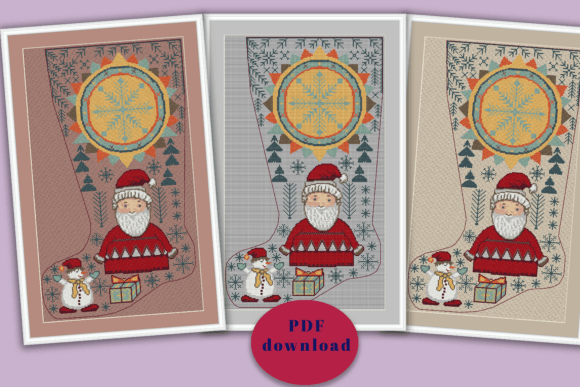
As an experienced embroidery designer, I spend a significant amount of time evaluating digital assets before adding them to my personal library or recommending them to clients. When Christmas Stocking Cross Stitch Pattern landed on my desk for review, I approached it with the same critical eye I use when planning inventory for a busy holiday season. This is not just about aesthetics; it is about functionality, marketability, and the emotional resonance of the final product. The product description highlights a Scandinavian Christmas Stocking Cross Stitch Pattern featuring a Nordic Santa and Snowman, noting that it is a digital, do-it-yourself customizable pattern where the stocking can feature a personalized name. Here is my practical assessment of how this design performs in a real-world commercial and hobbyist context.
First Impressions: Mood and Aesthetic Appeal
The immediate charm of this embroidery file lies in its adherence to the minimalist yet cozy aesthetic of Nordic design. Unlike traditional, cluttered Christmas motifs, this pattern feels refined and modern. The inclusion of both Santa and Snowman suggests versatility, allowing the maker to choose a character that best fits the recipient’s taste. For the target audience—ranging from Etsy sellers to small shop owners—the "Scandinavian" tag is a powerful keyword. It signals elegance and simplicity, qualities that are highly sought after in contemporary home decor and gift items.
The mood is undeniably sweet and seasonal without being overly saccharine. It strikes a balance between playful and classic. When visualizing the finished product, one can easily imagine this design stitched onto natural linen or soft cotton blends, where the negative space allows the details to breathe. This makes it an excellent candidate for high-end handmade products that aim to convey warmth and tradition. The ability to customize the name adds a layer of intimacy that transforms a simple graphic into a meaningful keepsake.
Application Scenarios: From Nursery to Wedding
In my testing phase, I considered how Christmas Stocking Cross Stitch Pattern translates across various product categories. While the title suggests stockings, the versatility of this Cross Stitch Patterns graphic extends far beyond holiday decor. Its clean lines and scalable nature make it ideal for baby embroidery. Imagine this motif centered on a receiving blanket or embroidered on the cuff of a baby onesie. The gentle imagery appeals to new parents looking for gender-neutral or softly themed nursery items.
Furthermore, the design holds strong potential as a wedding gift. Couples often appreciate personalized items that reflect their shared interests or family traditions. A set of embroidered towels featuring this Nordic theme could serve as a charming housewarming present. Similarly, for personalized towels, kitchen aprons, or tote bags, the design offers a rustic yet polished look. Small business owners can leverage this by offering these items as part of a "Holiday Collection," capitalizing on the seasonal demand while maintaining year-round appeal through neutral color palettes.
For Etsy sellers and digital product sellers, the customizability is a key selling point. Buyers love seeing their names integrated into the artwork. However, it is crucial to ensure that the font used for the name complements the Scandinavian style of the main illustration. If the typography is too ornate, it may clash with the minimalist roots of the design.
Technical Considerations and Fabric Compatibility
While the aesthetic is strong, practical application requires careful consideration of fabric texture and stitch density. Not all surfaces are created equal. I advise against using this design on thick terry cloth towels or heavily textured fabrics unless you have tested the stitch penetration thoroughly. The delicate details of the Nordic Santa and Snowman might get lost or distorted if the fabric pile is too high. Similarly, stretchy baby clothes require a stable base; without proper stabilization, the hoop marks may remain visible, or the fabric may pucker around the dense areas of the stitching.
Dark fabrics pose another challenge. Unless you are using a light-colored thread or a specific underlay technique, the contrast might be insufficient, causing the design to lack definition. Always compare light and dark fabric mockups before committing to a production run. Additionally, curved surfaces like certain tote bag handles or rounded pillow corners can distort the geometry of the pattern. It is best applied to flat, stable surfaces such as pillow covers, wall hangings, or flat-fronted aprons.
Essential Embroidery Notes for Success
- Test on Scrap Fabric: Before stitching on your final product, always run a test on a scrap piece of the intended material. This helps you gauge tension and thread usage.
- Check Thread Color Contrast: Ensure that the thread colors chosen provide sufficient contrast against the fabric. Muted tones work well for a vintage look, but clarity is key for recognition.
- Confirm Hoop Size: Verify that the total dimensions of the design fit comfortably within your machine’s maximum hoop size, including any name customization extensions.
- Review Stitch Density: High-density areas can cause fabric distortion. Use a cut-away stabilizer for woven fabrics and a tear-away for knits, depending on the garment type.
- Inspect Small Details: After stitching, zoom in on the smallest elements, such as facial features or snowflake accents, to ensure they are crisp and not merged together.
Impact on Giftability and Perceived Value
The success of a personalized gift often hinges on perceived value and emotional connection. A well-executed handmade product featuring this pattern can command a higher price point than mass-produced alternatives. The narrative of "customizable" and "Nordic-inspired" adds a story that buyers connect with. In product photography, showcasing the customization process—perhaps a side-by-side of the digital mockup and the finished item—can significantly boost buyer engagement.
For small shop product creators, this design offers a low-risk entry into the holiday market. Since it is a digital embroidery file, there is no inventory cost until an order is placed. This dropshipping-friendly model allows for greater flexibility in pricing and promotion. Moreover, the timeless nature of the design means it does not expire quickly, unlike trends tied to specific pop culture references.
Final Verdict and Licensing Reminder
Overall, the Christmas Stocking Cross Stitch Pattern is a versatile, emotionally resonant asset that fits well within the current market demand for personalized, artisanal goods. Its Scandinavian theme provides a fresh alternative to traditional Christmas motifs, appealing to a broad demographic. However, as with any commercial embroidery project, due diligence is required. Please note that this is a do-it-yourself customizable pattern, meaning you must handle the technical aspects of digitizing or printing the name yourself. Crucially, you must check the specific license terms provided with the file to ensure you are permitted to sell finished products made from this design. Without explicit commercial rights, you may be limited to personal use only.
By following the practical tips outlined above—testing fabrics, managing expectations regarding detail size, and ensuring proper stabilization—you can transform this digital graphic into a tangible treasure. Whether you are creating a blanket embroidery for a newborn or a festive pillow cover for a client, this design has the potential to become a standout item in your collection. It embodies the spirit of giving, wrapped in the quiet elegance of Nordic design.