Christmas Cactus Gift Embroidery Review
As an embroidery designer who spends half the year prepping for craft fairs and the other half refining digital assets, I look at a design file differently than most hobbyists. When I see a product titled Christmas Cactus Gift, my mind immediately goes to the booth table. Will this stop a passerby? Does it translate well from a screen to a tote bag? Is it practical to produce in batches without causing production headaches?
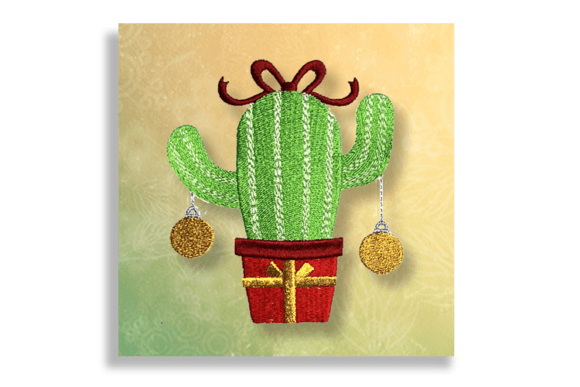
The description promises a "whimsical creation" that adds a "touch of festive c..." (likely cuteness or charm). For the handmade market, whimsy is a powerful currency. It suggests approachability, warmth, and a distinct departure from the generic snowman or reindeer saturation we see every December. In this review, I am evaluating how this specific machine embroidery design performs as a commercial asset for sellers looking to capitalize on the holiday season.
First Impressions: The Whimsical Appeal
The term "Christmas Cactus" immediately evokes a specific aesthetic. Unlike the prickly desert variety, the Christmas Cactus (Schlumbergera) is known for its cascading stems and vibrant blooms. In an embroidery context, this translates to soft, flowing lines rather than rigid geometric shapes. This is crucial for our target audience: buyers who want something modern, slightly rustic, yet undeniably festive.
From a visual standpoint, this design likely leans into the farmhouse chic or modern botanical style. It feels less like a traditional holiday ornament and more like a piece of decor that could hang in a home year-round but shines during the holidays. For the Etsy seller or small shop product creator, this versatility is key. It allows you to market the item not just as "Christmas decor," but as "Holiday Botanicals," expanding your potential customer base beyond those strictly looking for Santa-themed goods.
Product Application: Where It Shines
Not all embroidery designs are created equal when it comes to physical application. Here is how I envision the Christmas Cactus Gift performing across various high-demand craft fair items.
Tote Bags and Market Totes
A tote bag design is often the first thing customers notice at a booth. Because cacti have a natural downward or outward growth habit, this design works beautifully centered on the front panel of a canvas tote. The whimsical nature of the flowers draws the eye, making it a perfect conversation starter. It pairs exceptionally well with neutral fabrics like cream, beige, or sage green, allowing the thread colors to pop without clashing. For the embroidery business owner, totes are high-volume items; if this design digitizes cleanly, it can be produced rapidly.
Kitchen Linens: Aprons and Tea Towels
Apron embroidery and tea towel embroidery are staples of the handmade gift market. The Christmas Cactus fits perfectly here because it bridges the gap between kitchen utility and decorative art. On a tea towel, the design can serve as a small accent near the hem or a larger focal point in the center. The "whimsical" descriptor suggests it won’t look too stiff or formal, which is ideal for cozy, giftable kitchenware. However, sellers must remember that textured towels can hide fine details, so the design’s clarity is paramount.
Accessories: Caps, Patches, and Pouches
For smaller items, such as an embroidered patch or a fabric pouch, the design needs to hold its own at a smaller scale. If the cactus has intricate leaf segments or tiny flower centers, these may get lost in dense stitching or on curved surfaces like baseball caps. A patch version would benefit from a clean border, turning the whimsical plant into a badge-like icon. This works well for children’s accessories or as a lapel pin alternative, offering a different price point for budget-conscious shoppers.
Production Practicality and Technical Considerations
Before committing to a batch run for a weekend market, any serious commercial embroidery professional will run through a technical checklist. The whimsical nature of the Christmas Cactus brings both opportunities and challenges.
- Stitch Density and Detail: Cactus pads often require satin stitches or dense fill stitches to show texture. You must check the stitch density in your software. If the density is too high, the fabric may pucker, especially on lightweight cottons used for tea towels. If it is too low, the design may look sparse and lose its "whimsical" charm. Test the embroidery file on scrap fabric to ensure the blooms retain their shape.
- Fabric Texture Compatibility: As mentioned, textured fabrics like waffle-weave tea towels or heavy canvas totes interact differently with thread. A smooth linen might render the delicate flower petals better than a rough burlap. Always compare fabric colors against your chosen thread colors. High contrast is usually safer for busy patterns, but subtle tonal threads can create a premium, understated look for boutique markets.
- Hoop Size and Placement: Confirm the hoop size required by the digital embroidery file. If the design is tall and narrow, it may limit where you can place it on certain garments or bags. Ensure you have enough clearance around the hoop area so that seams or handles do not interfere with the stitching path.
- Stabilizer Selection: Using the right stabilizer is non-negotiable for consistent results. Cut-away stabilizers are generally recommended for stretchy fabrics or items that will undergo frequent washing, like aprons. Tear-away might suffice for stiff canvas totes, but always err on the side of support to prevent distortion.
Selling Strategy and Visual Marketing
In the digital marketplace, your printable mockup is just as important as the physical product. The Christmas Cactus Gift lends itself to warm, inviting photography. Think soft lighting, wooden tables, perhaps a cup of coffee nearby to emphasize the "gift" aspect. The whimsical vibe suggests a lifestyle that is relaxed and joyful.
For your Etsy listings and social media, highlight the uniqueness of the subject. Use keywords like "botanical holiday decor," "cactus lover gift," and "unique Christmas embroidery." By focusing on the plant rather than just the holiday, you appeal to plant enthusiasts who also enjoy seasonal crafts. This niche targeting can reduce competition and increase conversion rates.
When displaying at a craft fair, group similar items together. Hang the totes, drape the aprons, and lay out the tea towels to show how the design assets work across different mediums. Consistency in branding helps customers perceive higher value. If the Christmas Cactus Gift looks premium on a $40 tote, they are more likely to believe it is worth $15 on a tea towel.
Final Verdict for Craft Fair Sellers
The Christmas Cactus Gift embroidery design appears to be a strong contender for the holiday market. Its whimsical, botanical theme offers a fresh alternative to traditional holiday motifs, appealing to modern tastes and farmhouse aesthetics. It is versatile enough for large focal pieces like totes and aprons, provided the stitch quality is high and the fabric choice complements the detail.
For the handmade product entrepreneur, the key to success lies in execution. Take the time to test the design thoroughly. Check for loose threads, ensure the stabilizer is removed cleanly, and press your finished products professionally. A crisp, well-executed finished product speaks volumes about your brand quality.
Remember to verify the licensing terms of the digital embroidery file before selling. Ensure you have the right to use the design commercially. With careful preparation and strategic marketing, this design can become a standout item in your booth, driving sales and delighting customers who appreciate the unique charm of a Christmas Cactus.